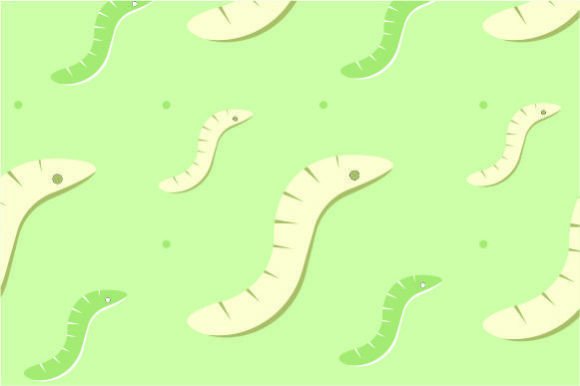
Seamless Pattern with Cute Worms
When I pull a new design file into my hoop, I am not just looking at pixels on a screen; I am visualizing the finished product. As an embroidery designer and reviewer, my job is to bridge the gap between digital assets and tangible, stitched reality. Today, I am evaluating the Seamless Pattern with Cute Worms, a graphics asset categorized under Patterns. This review focuses on its practical application for real-world projects, from small business merchandise to personalized gifts.
The first impression of this machine embroidery design is one of playful charm. The theme is lighthearted, featuring cute worm characters arranged in a repeating layout. For a craft business owner or an Etsy seller, this kind of personality-driven graphic has high potential. It does not scream luxury; instead, it whispers approachability. It feels like a design that belongs on items meant to bring a smile: children’s clothing, kitchen textiles, or casual accessories. However, before you commit to a large production run, we need to look at how this embroidery file translates from a flat image to thread.
Real-World Application: The Tote Bag Scenario
Let us imagine a specific use case. You are preparing a custom embroidered tote bag for a local craft fair or an online boutique listing. You want something that stands out but remains versatile. The Seamless Pattern with Cute Worms offers a distinct advantage here: the seamless nature of the pattern allows for coverage without awkward edges. Unlike a single centered motif, a seamless pattern can be scaled to fill a large area, such as the entire front panel of a canvas tote or the body of a sweatshirt.
Visually, this pattern creates a mood of whimsy. When stitched onto a natural-colored cotton tote, the worms add a pop of character that appeals to parents, teachers, or anyone who appreciates handmade quirks. For a small shop product, this design elevates the perceived value. A plain tote is functional; a tote covered in a cohesive, well-executed seamless pattern feels like a curated fashion item. Customers are often willing to pay more for designs that feel intentional and professionally executed, provided the stitching quality matches the graphic’s promise.
However, consider the target audience. If you are targeting a high-end corporate client for branded aprons, this design might be too informal. But for personalized gifts, holiday markets, or nursery decor, the emotional connection is strong. The "cute" factor drives engagement on social media platforms where visual appeal is paramount. A photo of a child wearing a shirt with this pattern is highly shareable, which aids in organic marketing for any creative entrepreneur.
Technical Performance and Stitching Clarity
Transitioning from concept to execution requires careful consideration of stitch types and density. While the source file is listed as Graphics (JPG/SVG), converting this into a stitchable format involves decisions about satin stitch, fill stitch, and running stitch. The success of this embroidery project hinges on how these elements are interpreted.
If the worms are rendered primarily with satin stitch outlines, the design will have a crisp, defined look that works well on stable fabrics. However, if the pattern relies heavily on dense fill stitch areas to create color or texture, you must evaluate the fabric choice. Dense stitching on thin fabric can cause puckering, while light stitching on textured fabrics may get lost in the weave. For a finished product to look professional, the contrast between the thread colors and the base fabric must be sharp. On dark fabrics, lighter threads might struggle to show detail unless underlay stitches are properly configured.
I also recommend testing the design in black-and-white mockups. This simple step helps verify that the pattern maintains its visual balance without relying on color alone. Does the shape of the worms remain recognizable? Is the spacing consistent? A good digital embroidery file should hold up structurally even when stripped of its color palette. If the design looks cluttered or muddy in grayscale, it may result in a messy appearance after stitching, particularly on smaller items like embroidered patches or cap fronts.
Where to Use with Caution
Not every surface is suitable for this type of pattern. Here are areas where you should exercise caution:
- Small Hoop Sizes: If the individual worm details are fine, shrinking the design to fit a tiny hoop may cause loss of definition. Always inspect small details before finalizing the size.
- Textured or Stretchy Fabrics: Knits and heavy textures can distort the seamless alignment. Use a proper stabilizer to prevent shifting, but be aware that the pattern’s geometric consistency may break down on uneven surfaces.
- Curved Surfaces: Applying a seamless pattern to a curved item like a baseball cap is challenging. The pattern may stretch or compress unnaturally around the crown, disrupting the visual flow.
- Frequent Washing: For items like kitchen towels or baby clothes that undergo frequent laundering, ensure the stitch density is robust enough to withstand wear. Loose threads or weak anchoring can ruin the aesthetic quickly.
Impact on Brand Consistency and Customer Trust
For apparel decorators and commercial embroidery professionals, consistency is key. Using a seamless pattern like this can help establish a recognizable brand identity, especially if you specialize in playful or child-centric themes. When customers see your work repeatedly, they begin to associate that style with quality and reliability.
Furthermore, the presentation matters. When creating printable mockups or digital previews for your shop, showing how the pattern repeats across different products—such as a matching set of a pillow cover and a tea towel—demonstrates versatility. This approach increases buyer confidence because they can visualize the design in their own homes or wardrobes. It transforms a simple graphic into a lifestyle asset.
However, avoid overusing the design in contexts where it clashes with the intended tone. For example, pairing this whimsical pattern with serious, minimalist branding might confuse your audience. Keep your design assets aligned with your brand voice. If your brand is about joy, comfort, and playfulness, this embroidery design fits perfectly. If your brand is sleek and modern, it may feel out of place.
Practical Designer Notes for Implementation
Before adding this to your production queue, follow these essential steps to ensure a successful outcome:
- Test on Scrap Fabric: Never assume a design will stitch out perfectly. Run a test on the exact fabric you plan to use. Check for thread breaks, tension issues, and alignment problems.
- Review Stitch Density: Ensure the stitch density is appropriate for the fabric weight. Too much density can make the item stiff; too little can leave gaps.
- Confirm Licensing: Since this is a commercial asset, verify the licensing terms. Can you sell finished products? Are there restrictions on digital resale? Clear rights protect your handmade product business from legal issues.
- Inspect Small Details: Zoom in on the vector or raster file. Are the eyes of the worms clear? Are the curves smooth? Blurry details in the source file will result in jagged stitches.
- Compare Backgrounds: Test the design on both light and dark backgrounds to ensure visibility and contrast are maintained across your product range.
In conclusion, the Seamless Pattern with Cute Worms is a versatile and charming addition to any designer’s toolkit. Its strength lies in its ability to add personality to everyday items, making it ideal for custom apparel, holiday embroidery, and baby embroidery projects. By paying attention to technical details like stabilizer choice, thread contrast, and fabric compatibility, you can transform this digital graphic into a high-quality, marketable finished product. Whether you are a seasoned pro or a hobbyist maker, this design offers a fun, engaging way to connect with customers through the art of embroidery.