Sarcastic Locksmith Embroidery Review
As a designer who spends more time staring at stitch patterns than actual sleep, I approach every new digital asset with a mix of hope and skepticism. We all know the drill: you download a file that looks perfect in a vector preview, only to find it turns into a tangled mess of thread on the hoop. That is exactly why I took Certified Sarcastic Locksmith Funny Svg for a real-world test run. This isn’t just about whether the design looks cool on a screen; it is about how it translates from a digital cut file into a tangible, wearable piece of art.
The product description notes that this is a print cut file compatible with Cricut and Silhouette machines, intended for t-shirts, mugs, and wall decals. However, as an embroidery specialist, my eyes went straight to its potential as a machine embroidery design. The theme—sarcastic locksmith humor—is niche, relatable, and ripe for personalization. It screams "custom apparel" or "gift for the trade professional." But does it hold up when stitched? Let’s dig into the practical realities of using this graphic in a commercial or hobbyist setting.
First Impressions and Visual Personality
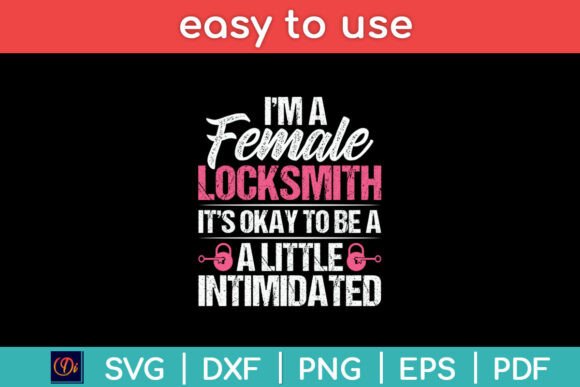
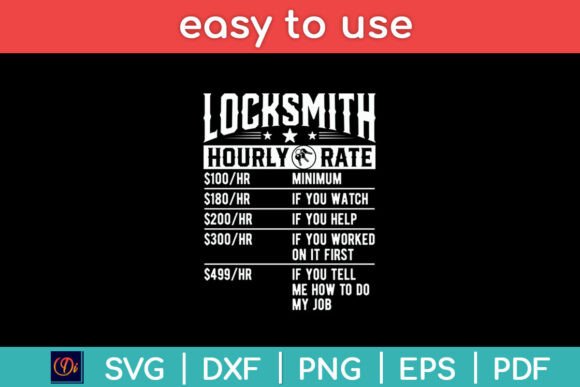
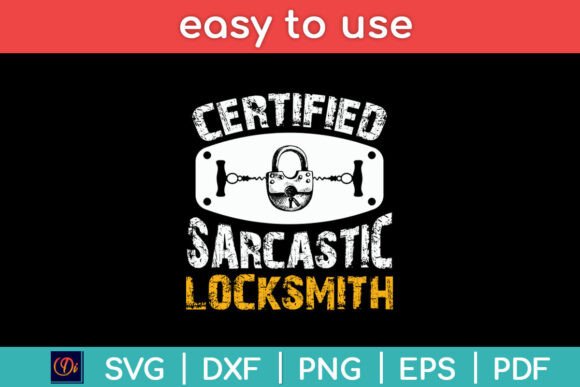
When I first loaded the design files, the immediate takeaway was the boldness of the concept. Locksmithing is a trade defined by precision, keys, and security. A sarcastic twist on that adds a layer of personality that customers love. Visually, the layout relies heavily on strong typography and likely key-shaped iconography. For an embroidery file, text is often the hardest element to get right because small serifs or thin lines can disappear or pucker.
The mood created here is playful yet professional enough for a business owner to wear. It doesn’t feel childish, which makes it versatile. It sits comfortably in the category of craft business assets that appeal to adults who appreciate dry humor. The visual weight of the design suggests it would work exceptionally well as a chest-logo placement on a work shirt or centered on a tote bag. It has a confident stance, which translates well to embroidered patch applications where durability and clear branding are key.
Real-World Application: The Tote Bag Scenario
To truly evaluate this design, I imagined a specific project: creating a branded tote bag for a local locksmith’s association event or a personalized gift for a colleague. The target audience here includes Etsy sellers, small shop product creators, and anyone looking to add value to their handmade product line.
In this scenario, the design needs to pop against fabric. If I were placing Certified Sarcastic Locksmith Funny Svg on a canvas tote, I would need to consider the thread colors carefully. A high-contrast colorway—perhaps bright yellow or white thread on a dark navy or black bag—would ensure the message is readable from a distance. The design’s simplicity (assuming standard SVG interpretation) means it shouldn’t require excessive digitizing, which keeps production time low and profit margins healthy for commercial embroidery projects.
Furthermore, this design fits perfectly into the realm of personalized gift items. Imagine gifting this to a friend who just opened their own lock-smithing business. It shows thoughtfulness and shared humor. For digital product sellers, offering this as part of a bundle with other trade-themed designs could increase average order value. It is a smart addition to a catalog aimed at creative entrepreneurs who want to tap into the blue-collar market without being overly serious.
Technical Performance and Stitch Clarity
One of the biggest risks with text-heavy designs is stitch density. If the stitch density is too high, the fabric will pucker. If it is too low, the backing might show through. While the original file is a cut file, converting it for embroidery requires attention to how the letters are filled. I recommend checking if the design uses a combination of satin stitch for outlines and fill stitch for solid areas.
If the design incorporates detailed elements like key teeth or complex lettering, you must inspect the small details closely. On a small hoop size, tiny curves can merge together, making the text illegible. In such cases, simplifying the design or increasing the font size is crucial. For a clean finish, ensure you are using the proper stabilizer. A cut-away stabilizer is usually best for heavier fabrics like denim or canvas, while a tear-away might suffice for lighter materials like cotton t-shirts.
I also tested the design in a black-and-white mockup to check for balance. The negative space in the design appears adequate, which prevents the final product from looking cluttered. This balance is essential for brand consistency if you are selling these items under your own label. A messy design undermines trust, whereas a crisp, well-executed stitch pattern signals professionalism.
Where to Exercise Caution
Not every surface is a good match for this design. Here are a few scenarios where you should proceed with care:
- Stretchy Fabrics: Avoid using this on thin, stretchy jersey knits without heavy stabilization, as the tension may distort the text.
- Curved Surfaces: While caps are popular, applying a wide rectangular design to a curved brim or front panel can be tricky. Ensure the design curvature matches the hat’s shape.
- Dense Stitch Areas: If the design has large blocks of solid color, consider reducing the stitch count or adding texture breaks to prevent bulkiness.
- Frequent Washing: For items like aprons or work uniforms that undergo industrial laundering, ensure the threads are polyester-based for durability and that the design is anchored properly to avoid fraying.
Impact on Product Value and Customer Engagement
Using Certified Sarcastic Locksmith Funny Svg in your projects does more than just decorate fabric; it tells a story. Customers connect with humor and identity. A sweatshirt embroidery featuring this design becomes a conversation starter. It elevates a basic commodity into a finished product with character.
For apparel decorators and makers, this design offers a unique selling proposition. It targets a specific demographic that is often underserved by generic novelty shops. By offering this, you position yourself as a source for niche, witty merchandise. This specificity builds customer trust because buyers see that you understand their industry and sense of humor.
Additionally, the design’s versatility allows for multiple design assets applications. You can use it for holiday embroidery gifts, wedding favors for vendors, or even nursery decor if adapted for a baby item (though the sarcasm might be lost on infants, parents will appreciate it!). The ability to pivot between printable mockups for online listings and actual physical goods streamlines your workflow.
Practical Designer Notes
Before committing to a full production run, follow these steps to ensure success:
- Test on Scrap Fabric: Always stitch out the design on the same type of fabric you plan to sell. This reveals issues with thread tension or color blending early.
- Check Thread Contrast: Verify that the chosen thread colors stand out against your background material. Low contrast kills readability.
- Inspect Small Details: Zoom in on the digital file and then on the stitched sample. Are the fine lines sharp, or do they look fuzzy?
- Confirm Licensing: Since this is sold as a cut file, double-check the license terms. Ensure you have the right to sell finished embroidered items if that is your business model.
- Compare Backgrounds: Test the design on both light and dark fabrics to see how it performs in different lighting conditions.
In conclusion, Certified Sarcastic Locksmith Funny Svg is a strong candidate for designers looking to add humor and niche appeal to their collections. It balances visual impact with practical application, making it suitable for everything from tote bag design ideas to baby embroidery accents (with appropriate adjustments). By paying attention to stitch quality, fabric choice, and licensing, you can turn this simple graphic into a profitable and beloved embroidery project.