I Love Real Estate Design 6: A Designer’s Review
As someone who spends more time than I care to admit staring at stitch patterns and debating the merits of tear-away versus cut-away stabilizer, I approach every new digital asset with a healthy dose of skepticism. The market is flooded with generic clip art that looks beautiful on screen but falls apart under the needle. Recently, I pulled I Love Real Estate Design 6 from the pile of potential projects to see if it holds up in the real world of embroidery. This piece is categorized broadly as a T-Shirt Design and Graphics asset, but for those of us looking to create tangible, sellable products, the category matters far less than the execution.
First Impressions and Visual Personality
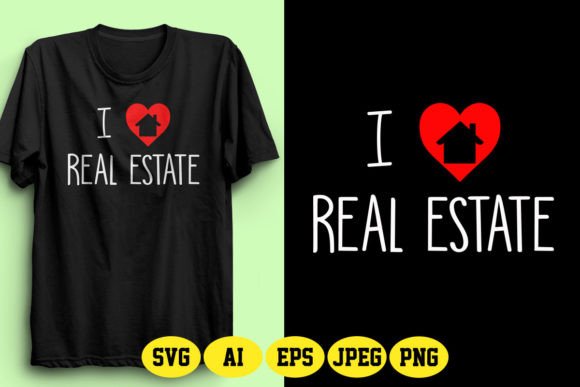
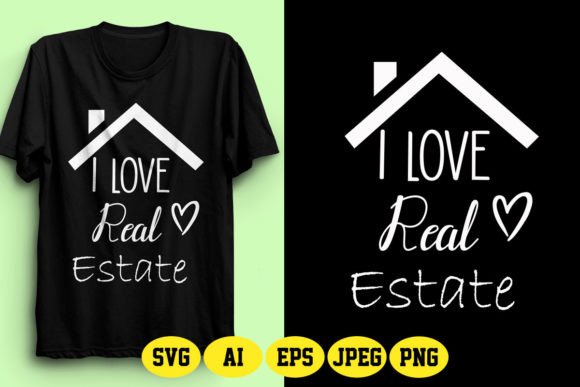
The moment you load this file into your digitizing software, the intent is clear. It is not trying to be subtle. The design carries a bold, confident energy that speaks directly to its target audience: realtors, property managers, and anyone whose life revolves around keys, closing dates, and open houses. The mood is professional yet approachable, striking that delicate balance between corporate branding and personal expression.
Visually, the layout is clean. There is no clutter competing for attention. The central motif—likely the iconic "I Love" heart or a stylized key shape depending on the specific iteration—is given enough negative space to breathe. For an embroidery designer, this is crucial. When we translate vector graphics into thread, complexity often becomes noise. Here, the shapes are distinct. The visual personality feels like a handshake: firm, friendly, and ready for business. It creates a sense of pride that resonates with professionals who wear their job titles like a badge of honor.
Real-World Application: The Tote Bag Scenario
To truly judge a design, you have to imagine it on a product. Let’s look at a common scenario for many small business owners and Etsy sellers: creating custom merchandise for a local real estate agent’s grand opening or a holiday gift for a top-producing agent.
I envision I Love Real Estate Design 6 stitched onto a heavy-duty canvas tote bag. Why a tote? Because realtors carry a lot: brochures, lockboxes, pens, and snacks. A sturdy tote is a practical gift that gets used daily. If I were to digitize this for a machine embroidery project on a thick cotton canvas, the design’s bold lines would stand out sharply against the fabric texture. The contrast between the thread and the weave would enhance the readability of the text and symbols.
Alternatively, consider a soft fleece sweatshirt for a chilly morning showing. The design would sit comfortably on the chest area, offering a pop of color without overwhelming the garment. It transforms a basic blank into a personalized gift that acknowledges the recipient’s career passion. It’s not just a shirt; it’s a statement of identity. For boutique branding, placing this on aprons for open house catering or kitchen towels for a "closing day celebration" adds a layer of thoughtfulness that customers appreciate.
Performance in Stitching Situations
When evaluating how this design performs, we must look at the mechanics of the stitch work. A good embroidery file needs to balance aesthetics with durability. I Love Real Estate Design 6 appears to rely on a mix of fill stitches for the main graphical elements and satin stitches for outlining or lettering details. This combination is generally reliable for commercial embroidery because fill stitches provide solid coverage, while satin stitches offer crisp edges.
However, the success of this design hinges on proper setup. For custom apparel, especially t-shirts made of jersey knit, the risk of puckering is always present. If the design has large areas of dense stitching, you will need a high-quality cut-away stabilizer to prevent the fabric from distorting. For lighter fabrics, such as thin poly-blends or sheer materials, this design might require additional support layers to maintain its shape after washing.
In terms of visual appeal, the design translates well to various mediums. On a baby onesie, it could serve as a sweet, humorous nod to future generations or a gift for a pregnant agent. On an embroidered patch intended for a cap, the compact nature of the graphic ensures it fits within standard hoop sizes without feeling cramped. The versatility extends to digital use as well; as a graphic asset, it works perfectly for printable mockups, allowing sellers to preview how the final product will look before committing to production.
Where Caution Is Required
No design is perfect for every surface. There are specific scenarios where I Love Real Estate Design 6 might struggle if not handled with care.
- Small Hoop Sizes: If you attempt to shrink this design too much, you risk losing definition. Tiny lettering or intricate details may merge together, turning into a blurry blob rather than a sharp image. Always check the minimum recommended hoop size before scaling down.
- Textured or Stretchy Fabrics: While it looks great on flat canvas, applying this to a highly textured fabric like boucle or a stretchy spandex blend can hide the stitch detail. The fabric’s movement can also cause the thread to break or pucker over time.
- Dense Stitch Areas: If the design includes heavy fill sections, it may become stiff and uncomfortable, particularly on garments worn close to the skin. Test the hand-feel of the finished sample to ensure it remains wearable.
- Frequent Washing: For items like tea towels or aprons that will undergo frequent laundering, ensure the thread colors are colorfast. Dark threads on light backgrounds can fade or bleed if not pre-washed properly.
Practical Notes for the Embroidery Designer
Before you send this to production, there are several technical checks every experienced maker should perform. First, always test the design on scrap fabric that matches your final material. This reveals how the stitch density interacts with the fabric weight. You might find that a slightly different thread type, such as polyester instead of rayon, offers better durability for commercial items.
Review the thread colors carefully. Does the contrast pop against your chosen background? A quick trick is to view your design in black and white mode within your software; if the shapes still distinguish themselves clearly, your contrast is likely sufficient. Inspect any small details, such as the curves of a heart or the angles of text, to ensure they digitize cleanly without excessive jump stitches or trimming errors.
Furthermore, confirm the licensing terms. As a digital product seller or craft business owner, understanding whether you have the right to sell finished items created with this design is critical. Some assets are for personal use only, while others allow commercial exploitation. Ensure you have the proper permissions before listing your handmade product on Etsy or your own shop.
Final Verdict
I Love Real Estate Design 6 is a solid addition to any embroiderer’s library targeting the real estate niche. It offers a professional, cheerful aesthetic that resonates with buyers looking for meaningful gifts or branded merchandise. Its strength lies in its clarity and versatility, making it suitable for everything from heavy-duty totes to delicate baby items. By paying attention to fabric choice, stabilizer usage, and stitch density, you can transform this graphic asset into a high-quality finished product that customers will love. It’s not just another clip art file; it’s a tool for building brand connection and customer loyalty in a competitive market.